Internationale Klimapolitik

Wie beeinflussen Geopolitik, Populismus und globale Machtverhältnisse die internationale Klimapolitik? Unsere Forschenden analysieren diese Verflechtungen und untersuchen, wie Länder des Globalen Südens nachhaltige Entwicklung vorantreiben können – für eine gerechtere und effektivere Klimapolitik weltweit.  

Internationale Klimapolitik

  • Kontakt

    Aktuelle Forschung

    Länder und Regionen


    • Verhandlungen und Stakeholder-Dialog, Konfliktmanagement
    • Transformation zur Nachhaltigkeit, Governance von Nachhaltigkeitstransitionen
    • Pflege und menschliches Gedeihen
    • Wissenskooperation, Wissenschafts-/Wissensdiplomatie
    • Szenarioentwicklung und Zukunftsszenarien
    • Nachhaltige Energie, Urbane Mobilität, Ernährungssicherheit
    • Klimawandel, Klimagovernance, Umwelt- und Klimagerechtigkeit
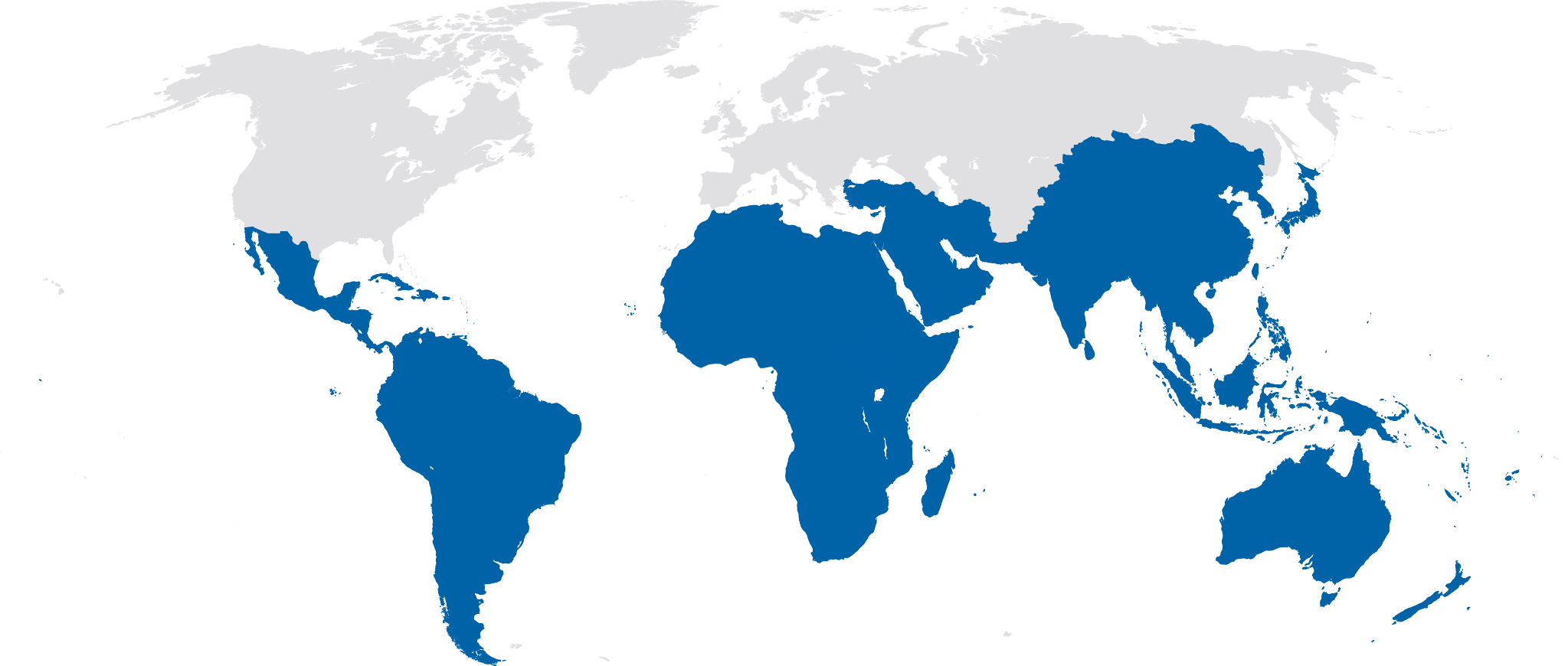
    • Asien und Pazifik: Philippinen, Indonesien, Indien, Japan
    • Lateinamerika und Karibik: Mexiko, Brasilien, Jamaica
    • Südliches Afrika: Südafrika

    Forschungsprojekt | 01.04.2024 - 31.03.2027

    Leibniz Lab Systemic Sustainability

    The rapid loss of biodiversity and ongoing climate change are also the result of intensive agriculture. At the same time, they jeopardize agriculture and food security. The Leibniz Lab "Systemic Sustainability" brings together relevant knowledge in science and society on this fundamental challenge in order to promote the development and implementation of systemic solutions.
    Leibniz Association, 2024-2027

    Dr. Anette Ruml

    Ehemals GIGA-Teammitglied

    Forschungsprojekt | 01.01.2024 - 31.12.2025

    Climate Obstruction and Foreign Policy in Comparative Perspective

    The fight against climate change continues to be hindered by campaigns of corporate and other actors who seek to prevent global and/or national action on climate change. This research group is set up to a joint and comparative research agenda on climate obstruction in and across key Global South countries. The lead institutions are the GIGA and the Universidade do Estado do Rio de Janeiro (UERJ).
    DAAD/CAPES, 2024-2026

    Forschungsprojekt | 01.01.2022 - 31.12.2026

    Leibniz Research Network "Integrated Earth System Research" (iESF)

    Humanity is increasingly influencing the Earth system that has evolved over millions of years. Visible signs of this 'Anthropocene' are global warming, pollution of the oceans and the decline in biodiversity. In the coming years, therefore, societal decisions of civilization-historical significance will have to be made. A fundamental question is: How can the Earth system be ecologically stabilized in such a way that well-being, prosperity, justice, peace and security for all people are secured or even achieved?
    Leibniz Association, 2022 - 2026


    Nature Climate Change | 10.2025

    Critical Intervention Points for European Adaptation to Cascading Climate Change Impacts

    A new study maps cascading climate risks to the European Union using stakeholder-driven impact chains and network analysis. It offers country-specific profiles and highlights key intervention areas—like water, livelihoods or violent conflict—to guide coherent, targeted adaptation policies.

    GIGA Focus Afrika | 3/2025

    Global Carbon Markets and Rural Development in Madagascar

    Kohlenstoffausgleichsprojekte gelten als vielversprechend für den Klimaschutz und die Entwicklung ländlicher Gemeinden im globalen Süden. Doch Beispiele aus Madagaskar zeigen drei zentrale Hürden auf, die das Potenzial naturbasierter Maßnahmen im freiwilligen Kohlenstoffmarkt begrenzen.

    Dr. Quentin Grislain

    Center for International Cooperation in Agricultural Research for Development / National Center for Applied Research in Rural Development

    Kapitel in Sammelband | 02.2025

    When Energy Transition Does Not Meet Energy Poverty Mitigation: The Case of Ceará State in Brazil

    Energy transitions should prioritize justice, ensuring universal and reliable energy access at an affordable price for lower-income groups. Our analysis focuses on the significant expansion of wind and photovoltaic energy in Brazil’s northeastern state of Ceará from 2012 to 2022.

    Kooperationsveranstaltung | 27.02.2025

    From Promise to Practice: Assessing Global Carbon Markets

    The Digital Development Dialogue (3D) seminar explores the gap between the promises and realities of global carbon markets focusing in particular on REDD+ (Reducing Emissions from Deforestation and Forest Degradation) projects within the voluntary carbon market. While nature-based solutions, particularly conservation projects under REDD+, constitute a significant share of carbon credits, their effectiveness and social impact have been widely debated.

    Konferenz | 02.12.2024

    Energy transitions and cooperation potential between Europe and the MENA region

    Social Impacts of Climate Change in Iraq, American University of Iraq, Baghdad Organisation: German Institute for Global and Area Studies (GIGA), GIGA Institut für Nahost-Studien, إنّ الجامعة الأمريكية في العراق - بغداد Prof. Dr. Eckart Woertz (Vortragende:r)

    Prof. Dr. Eckart Woertz discussed climate change’s impact on food security in Iraq, highlighting a striking consensus: political crisis and poor governance were seen as the most critical threats to food security, even more so than water scarcity and climate Change.

    Präsidentin (ad interim)

    Prof. Dr. Sabine Kurtenbach leitet das GIGA als Präsidentin (ad interim).

    Prof. Dr. Sabine Kurtenbach

    Regionalinstitute

    Afrika|Asien|Lateinamerika|Nahost

    Benachrichtigungen

    Melden Sie sich hier für E-Mail-Benachrichtigungen zu GIGA-Aktivitäten an

    Soziale Medien

    Folgen Sie uns